We will forgive Paul O’Connor if he’s bit of a Hibernophile and that proclivity may have influenced his reaction to this historical novel. I am certain that if the book hadn’t been well written, he would have let us know in no uncertain terms.
Reviewed by Paul T. O’Connor
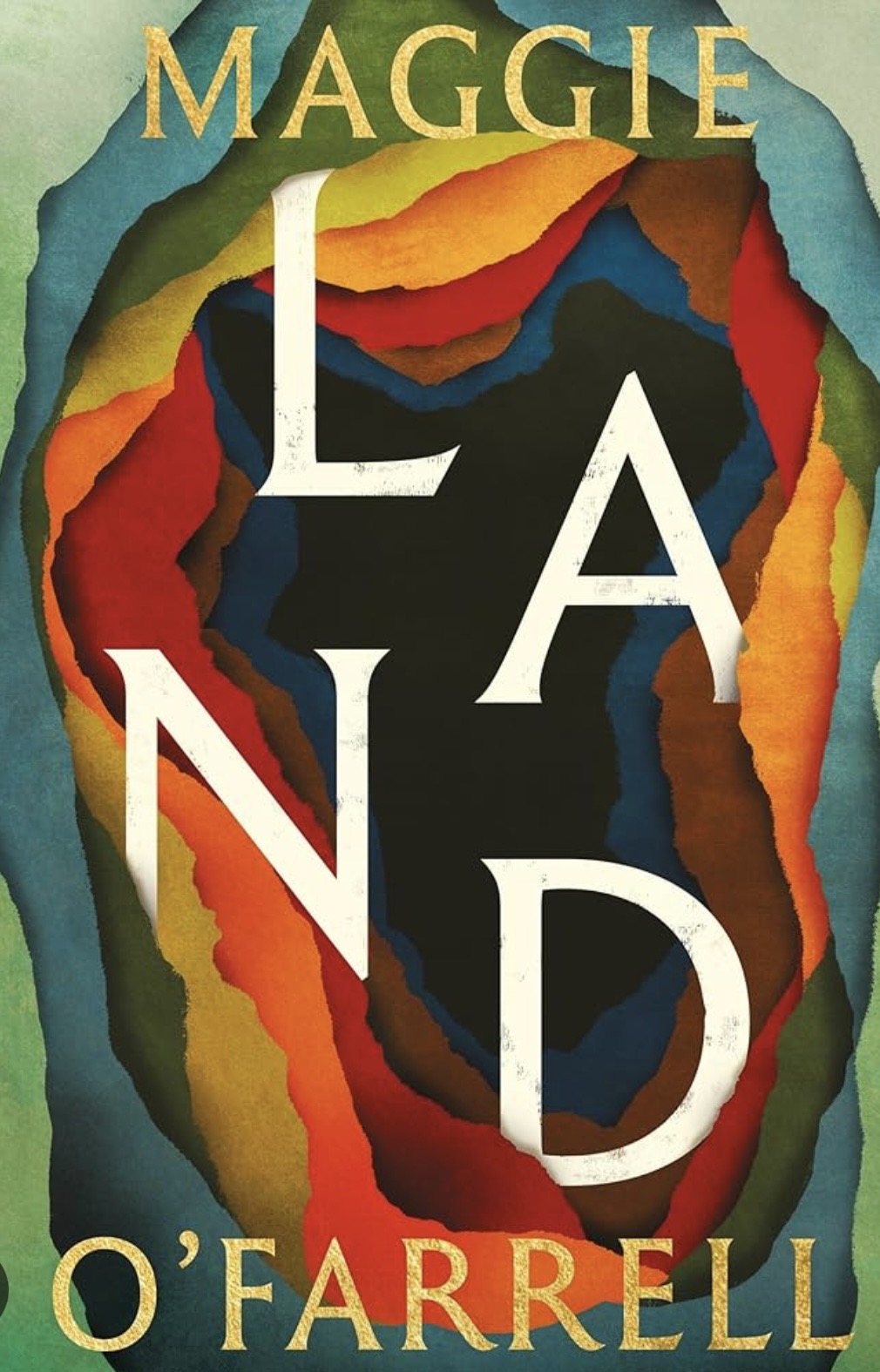
LAND. By Maggie O’Farrell. Alfred A. Knopf. 384 pages. $32, hardcover.
To see the west of Ireland is to understand how its inhabitants can believe in the presence of Other World spirits, banshees and departed ancestors.
After an uninterrupted journey of thousands of miles, ocean waves slam into the rocky cliffs of the Wild Atlantic Way. Storms bring drenching rains to replace the nonstop drizzle, and furious gales permanently bend trees and shrubbery into inverted Ls.
Then the gods say enough fun for this month and send Gaelic Apollo to shine through a few clouds, or none at all, and to show how all this moisture has turned the land to more shades of green than one can count. It is photos from these unusual days that Tourism Ireland displays on its brochures.
For those who cannot suspend their 21st century belief in science and their skepticism about such an Other World, much will be lost in the reading of Maggie O’Farrell’s spectacular novel Land. She may have been born a Quaker in one of Ireland’s six British-occupied counties and have spent most of her life in England, but this woman is the quintessential Irish writer who builds her story on the presence of the Other World.
Land features the family of Tomas, Phina and their children Liam, Enda, Rose and Eugene, sometime between 15 and 20 years after the Irish holocaust, also known as the potato famine, and Tomas is haunted by long-suppressed childhood memories of his family’s starvation and death. These memories re-emerge while he works as a surveyor and happens across a previously uncharted pool of water inhabited by an unexplained spiritual power, a power that transforms the taciturn Tomas into a raging babbler.
Tomas returns to Dublin, uproots his family from its detestable tenement, and heads to a western peninsula, where he rents a patch of ground adjacent to the magical pool. The family rebuilds an abandoned stone hut, re-thatches its roof, and deals with the harshness of 19thcentury Irish life. As the years pass, two of Tomas’ two children rebel.
Eventually, Land takes us across the globe while staying rooted near the home Tomas rebuilt and the copse of trees that guards the spirit-inhabited pool.
I won’t tell any more of the story because the storyline almost doesn’t matter. The wonder of this book lies in O’Farrell’s characters and her prose. If there is a better writer using the English language today, I’m unaware of him or her. I’m borrowing from another reviewer when I say that I miss the presence of Liam, Enda and the others. And, oh, to be able to craft such sentences. If the writing gods will just give me that talent for 24 hours, I’ll stop bitching about the English for a month … or two.
This is a sad story. Irish stories tend to be sad. Most Irish music is sad, except when it is merry. Take my word for it, Land is every bit the equal of O’Farrell’s fabulous Hamnet. And that’s among my favorite books ever.
- Paul T. O’Connor is a retired journalist and author of The Missing Child: The Life She Lived and The Life She Missed. For 700 years, the O’Connnors have farmed land on the Iveragh peninsula in County Kerry, Ireland, where Land could very well have been set. The British took the land from them in the 1600s and made them pay rent to continue to farm it. His grandparents emigrated in the 1880s, but their cousins repurchased the land in the early 1900s and own it still. He is a dual Irish and American citizen.
One response to “The Other World, in Ireland”
I just finished LAND!! Oh my, O’Farrell does not disappoint! I think the only word I have for this novel is lyrical. She has such a way with the rhythm of the language and the way she weaves the family’s story in and out, back and forth. I was never confused with the changes of character.